

How to choose the right size of a single phase rotary screw compressor?
Jan 21, 2026
Choosing the right size of a single phase rotary screw compressor is a crucial decision that can significantly impact the efficiency, performance, and cost - effectiveness of your operations. As a single phase rotary screw compressor supplier, I understand the complexities involved in this selection process. In this blog, I will guide you through the key factors to consider when determining the appropriate size for your single phase rotary screw compressor.
Understanding the Basics of Single Phase Rotary Screw Compressors
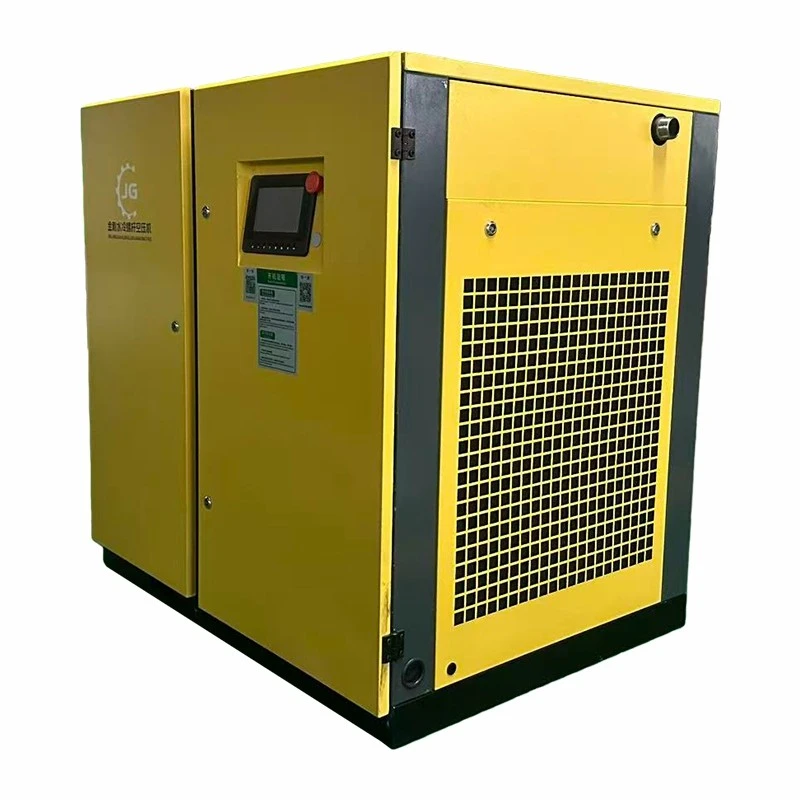
Before delving into the sizing process, it's essential to have a basic understanding of single phase rotary screw compressors. These compressors are widely used in various industries due to their reliability, energy efficiency, and continuous operation capabilities. They work by using two interlocking helical rotors to compress air. The single - phase power supply makes them suitable for smaller applications where three - phase power may not be available.

1. Determine Your Air Demand
The first step in choosing the right size of a single phase rotary screw compressor is to accurately determine your air demand. This involves calculating the amount of compressed air your equipment or processes require.
- Identify Air - Consuming Equipment: Make a list of all the equipment that will use compressed air, such as pneumatic tools, air - operated machinery, and automation systems. For each piece of equipment, find out its air consumption rate, which is usually measured in cubic feet per minute (CFM) or liters per second (L/s).
- Consider Peak and Average Demand: Determine both the peak and average air demand. Peak demand occurs when all air - consuming equipment is operating simultaneously at full capacity. Average demand is the typical amount of air used over a period of time. It's important to size the compressor based on the peak demand to ensure that it can meet the requirements during the most demanding periods.
2. Evaluate the Duty Cycle
The duty cycle refers to the percentage of time the compressor is expected to run within a given period. For example, a compressor with a 50% duty cycle will run for half of the time and rest for the other half.
- Continuous vs. Intermittent Use: If your application requires continuous operation, you need a compressor that can handle long - term, non - stop running. On the other hand, if the use is intermittent, a smaller compressor with a lower duty cycle rating may be sufficient.
- Impact on Sizing: A compressor with a higher duty cycle rating will generally be larger and more robust. It's important to choose a compressor whose duty cycle matches your application requirements to avoid over - or under - sizing.
3. Account for Pressure Requirements
The pressure requirements of your application are another critical factor in sizing the compressor. Compressed air is typically measured in pounds per square inch (PSI) or bar.
- Required Operating Pressure: Determine the minimum and maximum pressure required by your air - consuming equipment. Different tools and processes may have different pressure needs. For example, some pneumatic tools may require 90 PSI, while others may need 120 PSI.
- Pressure Drop: Consider the pressure drop that occurs in the air distribution system. As compressed air travels through pipes, filters, and other components, there will be a loss of pressure. You need to account for this pressure drop when sizing the compressor to ensure that the equipment receives the required pressure at the point of use.
4. Consider the Ambient Conditions
The ambient conditions in which the compressor will operate can also affect its performance and sizing.
- Temperature and Humidity: High temperatures and humidity can reduce the efficiency of the compressor. In hot and humid environments, the compressor may need to work harder to achieve the same level of compression. You may need to select a larger compressor to compensate for the reduced efficiency.
- Altitude: At higher altitudes, the air density is lower, which means that the compressor will intake less air per stroke. This can result in a decrease in the compressor's output. If your facility is located at a high altitude, you may need to choose a larger compressor to meet your air demand.
5. Evaluate the Growth Potential
When choosing the size of a single phase rotary screw compressor, it's important to consider the future growth of your business or operations.
- Expansion Plans: If you plan to add more air - consuming equipment or expand your production capacity in the future, it's advisable to choose a compressor that can accommodate the increased air demand. This can save you the cost and hassle of replacing the compressor later.
- Flexibility: Opt for a compressor that offers some flexibility in terms of capacity adjustment. Some compressors can be easily upgraded or have variable speed drives that allow them to adjust the output based on the demand.
Our Product Offerings
As a single phase rotary screw compressor supplier, we offer a wide range of products to meet different sizing requirements. Our Rotary Screw Air Compressors are designed with advanced technology to ensure high efficiency and reliability. Our Air Compressor for Food Processing is specifically engineered to meet the strict hygiene and quality standards of the food industry. Additionally, our Skid Mounted Screw Air Compressor provides a compact and convenient solution for various applications.
Making the Final Decision
After considering all the factors mentioned above, you can make an informed decision about the right size of the single phase rotary screw compressor for your needs. It's also advisable to consult with our technical experts, who can provide personalized advice based on your specific requirements.
Contact Us for Purchase and Negotiation
If you are interested in purchasing a single phase rotary screw compressor or need further assistance in sizing, we encourage you to contact us. Our team of professionals is ready to help you find the perfect compressor for your application and negotiate the best terms for your purchase.
References
- Compressed Air and Gas Institute (CAGI). "Compressed Air System Assessment Handbook."
- ASME (American Society of Mechanical Engineers) standards related to air compressors.
- Manufacturer's technical manuals and brochures for single phase rotary screw compressors.