

Are variable - speed air compressors more energy - efficient in low - load situations?
Jan 15, 2026
In the industrial landscape, energy efficiency stands as a cornerstone for sustainable operations and cost - effectiveness. Among the various equipment in industrial setups, air compressors play a pivotal role. As a supplier of Variable - speed Air Compressors, I've witnessed a growing interest in understanding whether these compressors are more energy - efficient in low - load situations. This blog post aims to delve into this topic and provide insights based on scientific principles and real - world applications.
Understanding Air Compressors and Load Situations
Before we explore the energy efficiency of variable - speed air compressors in low - load situations, it's essential to understand the basic types of air compressors and the concept of load. Air compressors come in different forms, such as Rotary Screw Air Compressors, reciprocating compressors, and centrifugal compressors. Rotary screw air compressors are widely used in industrial applications due to their reliability, durability, and ability to provide a continuous supply of compressed air.
Load in an air compressor context refers to the amount of compressed air required by the system at a given time. High - load situations occur when the industrial processes demand a large volume of compressed air, while low - load situations are when the demand drops significantly. For example, in a manufacturing plant, the air compressor may experience high - load during the peak production hours when multiple machines are running simultaneously, and low - load during breaks or maintenance periods.
Fixed - Speed vs. Variable - Speed Air Compressors
Traditional fixed - speed air compressors operate at a constant speed. Once started, they run at a pre - determined rotational speed, and the amount of compressed air they produce is relatively fixed. These compressors are designed to meet the maximum demand of the system. However, in low - load situations, they continue to consume a significant amount of energy even though the compressed air output is more than what is required. This leads to energy wastage as the compressor is unable to adjust its output according to the actual demand.
On the other hand, variable - speed air compressors, as the name suggests, can adjust their speed according to the compressed air demand. They are equipped with advanced control systems that monitor the pressure in the air system and adjust the motor speed accordingly. When the demand for compressed air is low, the compressor slows down, reducing its energy consumption. When the demand increases, it speeds up to meet the required output.
Energy Efficiency of Variable - Speed Air Compressors in Low - Load Situations
The energy efficiency of variable - speed air compressors in low - load situations can be explained by the following scientific principles:
Power - Speed Relationship
The power consumption of an air compressor motor is related to its speed. According to the affinity laws, the power consumed by a motor is proportional to the cube of its speed. Mathematically, (P_1/P_2=(N_1/N_2)^3), where (P_1) and (P_2) are the power consumptions at speeds (N_1) and (N_2) respectively. This means that even a small reduction in speed can lead to a significant reduction in power consumption. In low - load situations, variable - speed air compressors can reduce their speed, and as a result, the power consumption drops exponentially.
Reduced Unloading Time
Fixed - speed air compressors often go into an unloading mode in low - load situations. In this mode, the compressor continues to run but does not produce compressed air, still consuming a considerable amount of energy. Variable - speed air compressors can avoid or significantly reduce the unloading time by adjusting their speed to match the demand. This directly translates into energy savings.
Real - World Examples
Many industrial facilities have reported substantial energy savings after switching from fixed - speed to variable - speed air compressors. For instance, a food processing plant that previously used fixed - speed compressors experienced a 30% reduction in energy consumption during low - load periods after installing variable - speed models. The plant's production process had long periods of low air demand during cleaning and setup times, and the variable - speed compressors were able to adjust their output accordingly, resulting in significant cost savings.
Other Advantages of Variable - Speed Air Compressors
Apart from energy efficiency in low - load situations, variable - speed air compressors offer several other advantages:
Extended Equipment Lifespan
Since variable - speed air compressors do not have to start and stop frequently like fixed - speed compressors, the wear and tear on the motor and other components are reduced. This extends the overall lifespan of the equipment, reducing maintenance costs and downtime.

Stable Air Pressure
Variable - speed air compressors can maintain a more stable air pressure in the system. This is crucial for industrial processes that require a consistent supply of compressed air. In applications such as painting or pneumatic tool operation, stable air pressure ensures better quality and efficiency.
Compatibility with Different Load Profiles
Variable - speed air compressors are suitable for a wide range of load profiles. Whether it's a system with highly fluctuating demand or a relatively stable but occasionally low - load demand, variable - speed compressors can adapt and operate efficiently.
Considerations When Choosing Variable - Speed Air Compressors
While variable - speed air compressors offer many benefits, there are some considerations when choosing them:
Initial Investment
Variable - speed air compressors generally have a higher initial cost compared to fixed - speed models. However, the long - term energy savings and other advantages often offset the higher upfront investment. It's important to conduct a cost - benefit analysis based on the specific load profile and energy costs of the industrial facility.
System Design
Proper system design is crucial for the optimal performance of variable - speed air compressors. The compressor should be sized correctly to match the maximum and minimum demand of the system. Additionally, the control system should be integrated effectively with the overall air distribution system to ensure smooth operation.
Different Types of Variable - Speed Air Compressors
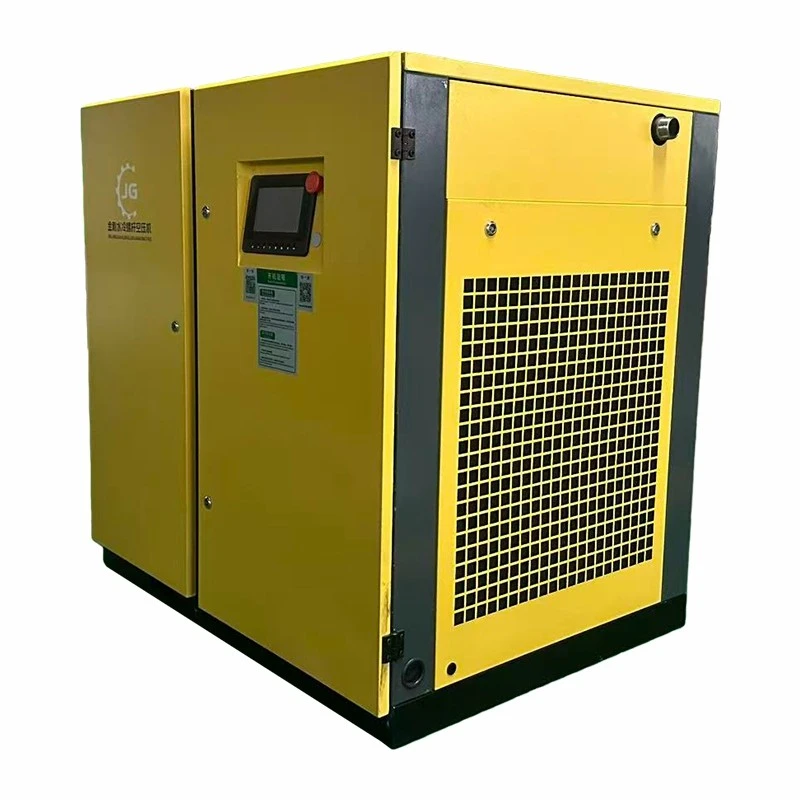
There are various types of variable - speed air compressors available in the market, such as Electric Screw Compressor and Tandem Electric Air Compressor. Electric screw compressors are known for their high efficiency and reliability. They use two intermeshing screws to compress the air and can be easily equipped with variable - speed drives. Tandem electric air compressors consist of two compressors working in tandem, which can provide a higher volume of compressed air while still benefiting from variable - speed operation.
Conclusion
In conclusion, variable - speed air compressors are indeed more energy - efficient in low - load situations. Their ability to adjust the motor speed according to the compressed air demand, reduce unloading time, and operate based on the power - speed relationship makes them a superior choice for industrial facilities with fluctuating air demand. The additional advantages of extended equipment lifespan, stable air pressure, and compatibility with different load profiles further enhance their appeal.
If you're looking to improve the energy efficiency of your industrial air compression system, especially during low - load periods, consider switching to variable - speed air compressors. Our company offers a wide range of high - quality variable - speed air compressors, including electric screw compressors and tandem electric air compressors. We are committed to providing the best solutions tailored to your specific needs. Contact us to start a discussion about how our products can benefit your operations and lead to significant cost savings.
References
- ASHRAE Handbook of Refrigeration. American Society of Heating, Refrigerating and Air - Conditioning Engineers.
- Compressed Air and Gas Handbook. Ingersoll Rand.
- Industrial Energy Efficiency: A Guide to Best Practices. United Nations Industrial Development Organization.