Analysis Of The Logistics Characteristics Of Permanent Magnet Variable Frequency Screw Air Compressors
Sep 19, 2025
As a high-efficiency and energy-saving compressed air device in modern industry, the logistics characteristics of permanent magnet variable frequency screw air compressors directly affect the equipment's transportation efficiency, cost control, and end-user experience. Due to the high value, large size, and precision structure of this type of equipment, its logistics management needs to comprehensively consider multiple aspects such as packaging, transportation methods, warehousing conditions, and supply chain coordination to ensure the safety and reliability of the equipment during circulation.
Impact of Product Characteristics on Logistics
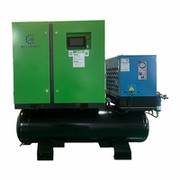
Permanent magnet variable frequency screw air compressors typically consist of a main unit, motor, variable frequency control system, air tank, and piping accessories. The overall structure is complex and sensitive to vibration, humidity, and temperature. Its core components-the permanent magnet motor and the screw main unit-contain precision-machined magnetic materials and mechanically mating parts. If subjected to severe impacts or improper stacking during transportation, it may lead to magnetic circuit misalignment, bearing damage, or seal failure, thus affecting the equipment's performance and service life. Furthermore, this type of equipment often uses a steel structure shell, with a single unit weighing several tons and having a large size, further increasing the difficulty of logistics operations.
Packaging and Protection Requirements
To ensure the integrity of the permanent magnet variable frequency screw air compressor during transportation, its packaging design must meet the high standards of industrial equipment logistics. A multi-layered protective structure is typically used: the outer layer is a steel frame or wooden crate to resist external compression and impact; the inner layer uses shock-absorbing foam, customized grooves, or floating fixing devices to reduce the impact of vibration transmission on precision components. For vulnerable units such as electrical control cabinets, additional moisture-proof and dust-proof sealing treatment is required, and they must be marked with logistics labels such as "Fragile" or "Upside Down." Furthermore, some exported equipment must meet international packaging standards (such as ISTA or ISO 12944) to adapt to the protection requirements of different scenarios such as sea and air transport.
Selection of Transportation Method
The transportation method for the permanent magnet variable frequency screw air compressor mainly depends on the equipment specifications, delivery cycle, and cost budget. Land transportation (road or rail) is suitable for short- to medium-distance transportation, especially for domestic orders, offering high flexibility and door-to-door service. For ultra-large or ultra-heavy equipment, low-bed semi-trailers or special hydraulic axle trucks must be used, and transportation routes must be planned in advance to avoid restrictions such as bridge height limits and insufficient curve radius. Sea freight is commonly used in international trade, with equipment typically loaded in containers (such as open-top containers or flat rack containers) or loose cargo. However, it's important to note that the longer transit time of sea freight may increase the risk of moisture damage to the equipment; therefore, enhanced moisture-proof packaging and transportation insurance are necessary. While air freight offers the best timeliness, its high cost and strict load limits limit its suitability only for emergency repair spare parts or smaller models.
Warehousing and Supply Chain Management
In warehousing, permanent magnet variable frequency screw air compressors must be stored in a dry, well-ventilated indoor environment, avoiding the effects of damp ground or corrosive chemicals. When stored outdoors, waterproof tarpaulins must be used to cover the equipment, and the base must be elevated to prevent water accumulation. Since this type of equipment is typically delivered in batches according to project requirements, supply chain management must focus on balancing inventory turnover rate and delivery flexibility to avoid the risks of capital tied up or technological iterations due to long-term stockpiling. Furthermore, the selection of logistics service providers is crucial. Priority should be given to partners with experience in heavy equipment transportation, end-to-end visual tracking capabilities, and emergency response mechanisms to reduce the possibility of transportation delays or cargo damage disputes.
The logistics nature of permanent magnet variable frequency screw air compressors reflects the typical challenges of industrial equipment distribution. Their transportation safety, cost optimization, and delivery efficiency require meticulous control throughout the entire process. From packaging design and transportation mode adaptation to warehouse management, each link must be tailored to the physical characteristics of the equipment and customer needs. In the future, with the application of intelligent logistics technologies (such as IoT sensors and AI path planning), the logistics system for permanent magnet variable frequency screw air compressors will further develop towards visualization and low carbon emissions, providing more efficient support for industrial customers' equipment deployment.